
Specialty Cable Planning, Installation and Test Guides
Use these starting points to connect specialty cable specifications with real network decisions.
Start with the Question You Need to Answer
Each topic opens a dynamic article route backed by the existing database and routing logic.
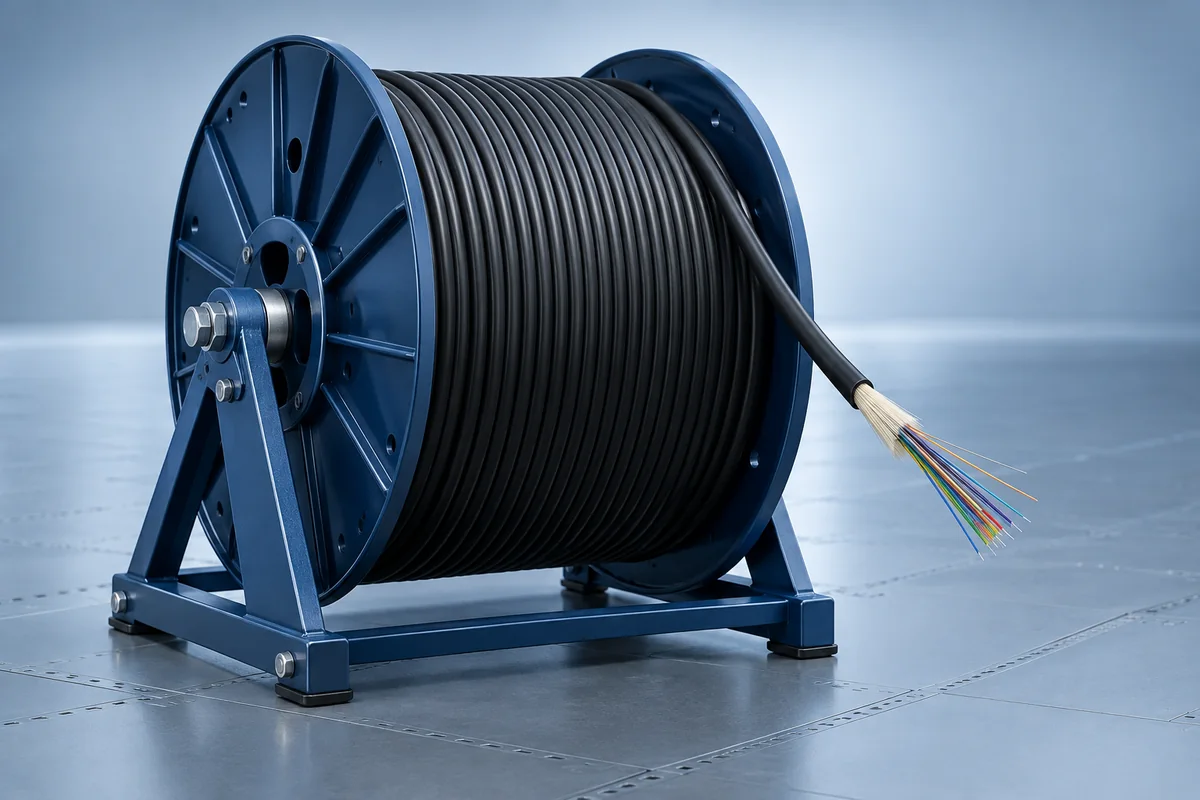
How to Select a Specialty Fiber Optic Cable
Compare fire class, jacket compound, armor, barriers, routing environment, bend limits and protection.
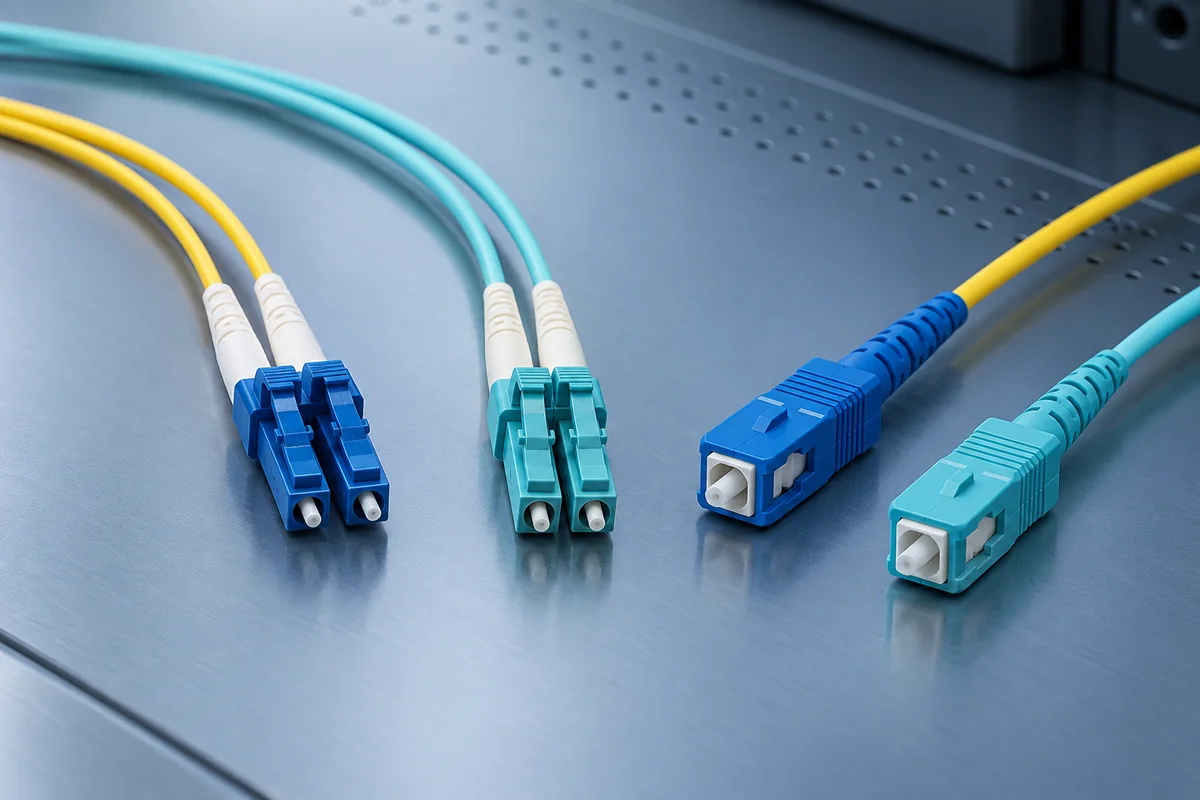
Connector Types, Polish and Cleaning
Understand LC, SC, UPC/APC compatibility, contamination risk and inspection.
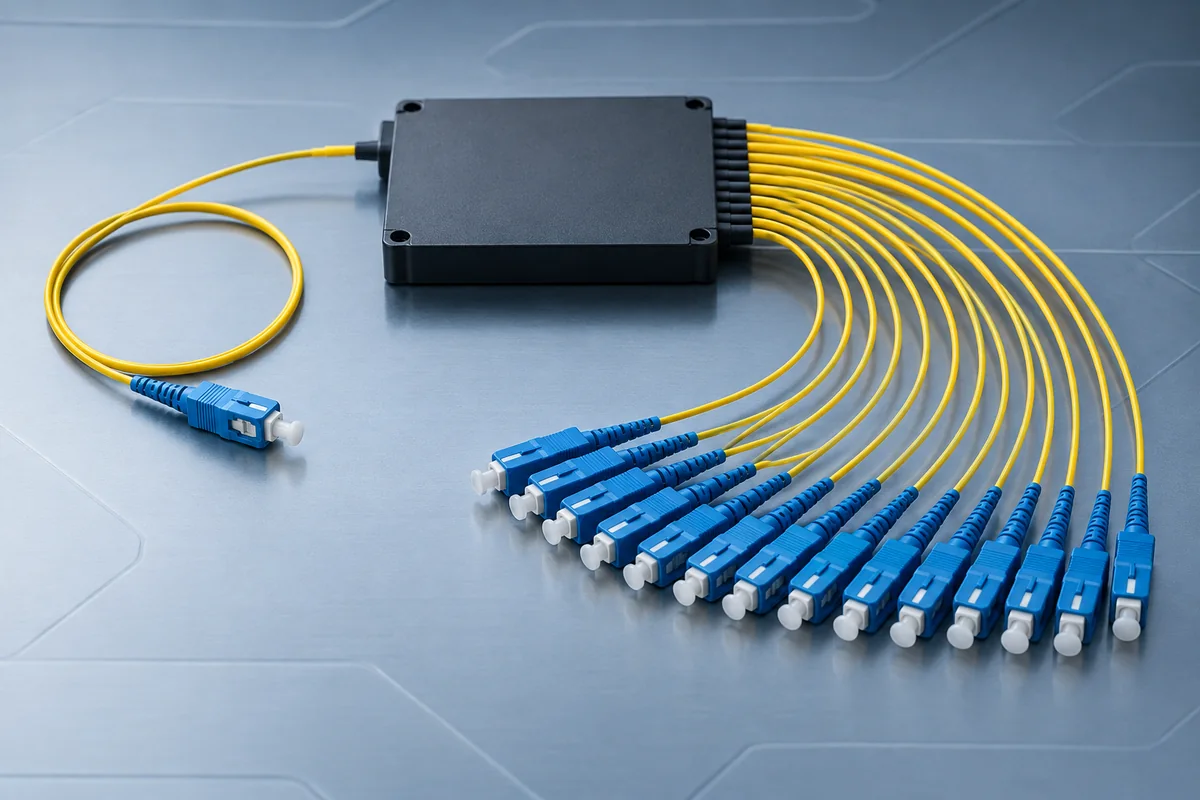
FTTH ODN and PLC Splitter Planning
Relate split ratio, placement, package and connectorization to the loss budget.
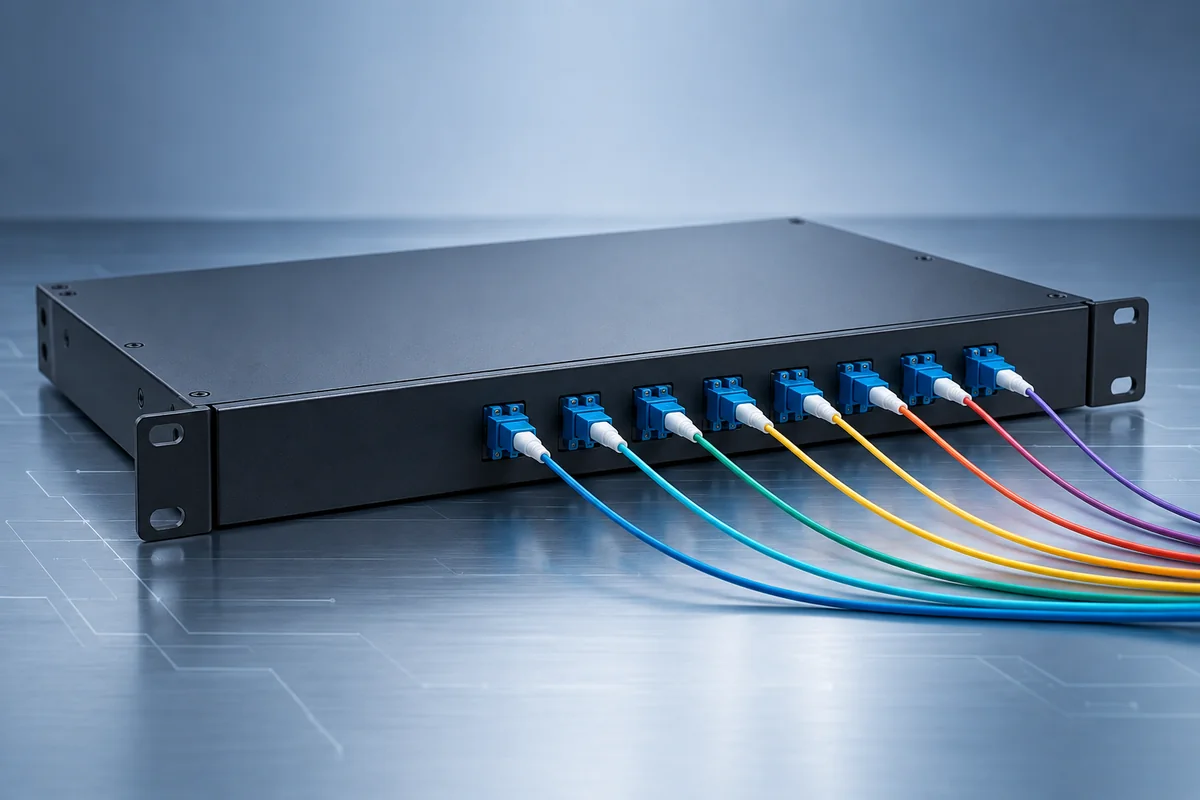
CWDM and DWDM Channel Planning
Review channel spacing, passband, insertion loss, isolation and upgrade needs.
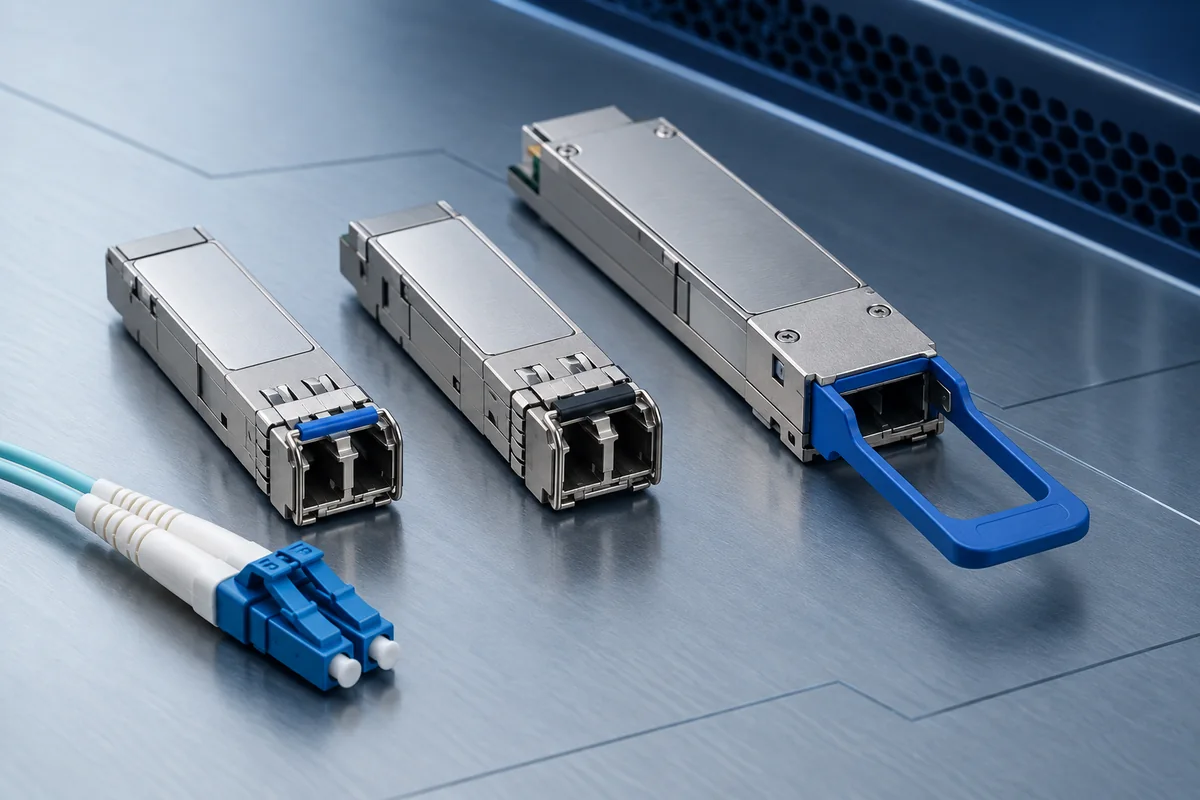
Optical Transceiver Compatibility
Match form factor, rate, wavelength, reach, connector, fiber and host support.
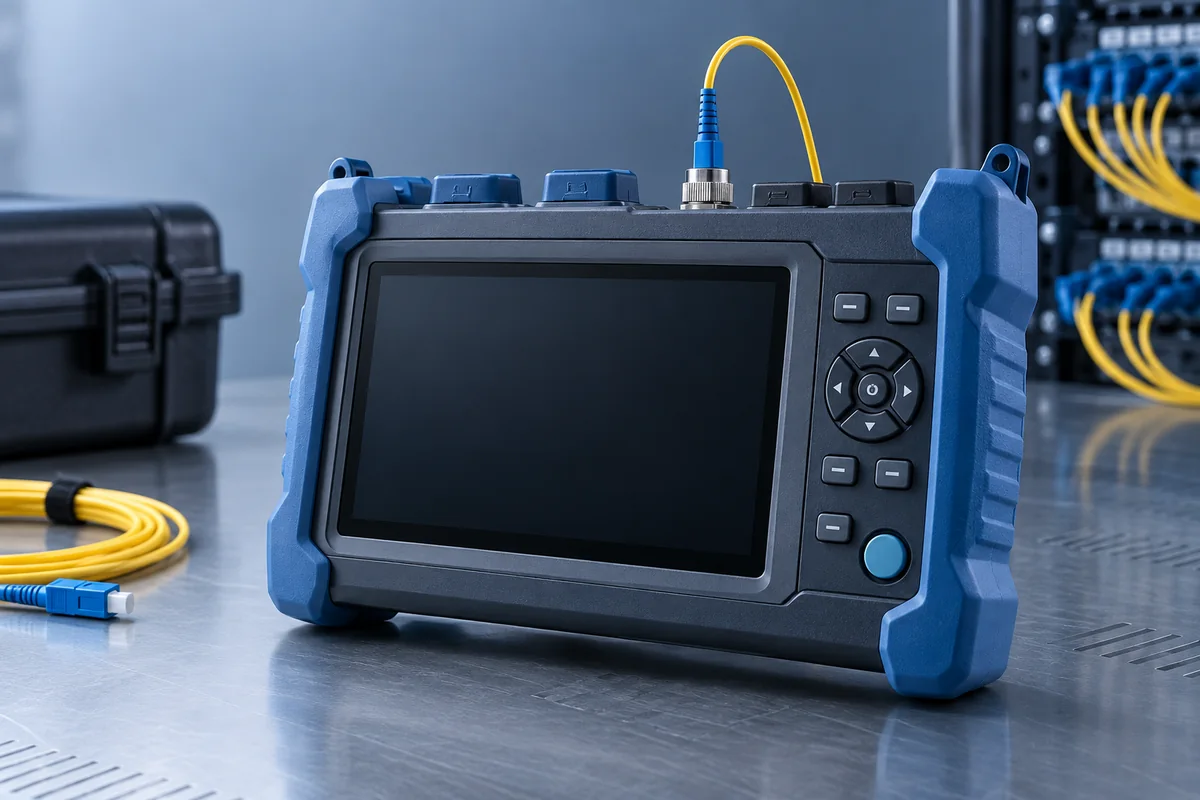
Insertion-Loss and OTDR Testing
Choose the measurement that answers the acceptance or troubleshooting question.
Specialty Cable Quick Reference
Short answers point to the variables that should be checked in more detail.
What makes a fiber optic cable a specialty cable?
A specialty cable changes the jacket, strength members, armor, water blocking or fiber grade so the cable survives one specific hazard, such as fire, rodents, lightning, heat, moisture, crush or submersion, instead of only meeting a generic indoor or outdoor requirement.
When should flame-retardant or LSZH cable be specified?
Flame-retardant and low-smoke zero-halogen jackets are specified where cables run through tunnels, metro lines, hospitals, data halls or other occupied spaces, because they limit flame spread and release very little corrosive or opaque smoke.
How do rodent-resistant and lightning-resistant cables differ?
Rodent-resistant cables use a hard or metallic barrier such as glass yarn, steel tape or corrugated armor to stop chewing. Lightning-resistant designs avoid metal and rely on non-metallic strength members and dielectric protection so the link is not a conductive path.
What is the difference between armored and non-metallic cable?
Armored cable adds a metal layer for crush, impact and rodent protection but must be bonded and earthed. Non-metallic cable uses dielectric strength members, so it is lighter, immune to galvanic corrosion and preferred near power lines and substations.
Why is an optical loss budget needed?
It compares transmitter/receiver capability with losses from fiber, connectors, splices, splitters and passive devices, while reserving an engineering margin for aging, repair and measurement uncertainty.
Does an OTDR replace insertion-loss testing?
Not generally. An OTDR helps locate and characterize events along a route; end-to-end loss testing measures channel insertion loss. Project requirements determine which records are needed.
Describe the route hazard and the decision you are making
Fire class, rodents, moisture, temperature, interface, wavelength and topology help focus the discussion.