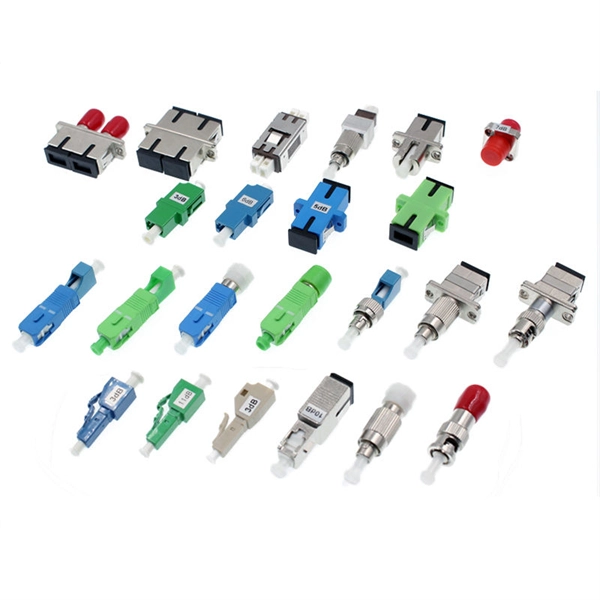
A fiber optic connection is called a patch cord because it acts as a flexible, short cable that “patches” or bridges two devices, allowing quick, reconfigurable connections in a network.Definition and Function
A fiber optic patch cord is a short, flexible fiber optic cable with connectors on both ends, designed to connect optical devices such as transceivers, switches, routers, or patch panels . The connectors allow for rapid, plug-and-play connections, making it easy to reconfigure or troubleshoot networks without disturbing permanent splices . Patch cords are sometimes called fiber jumpers because they “jump” signals from one port to another.
Why the Term “Patch” Is Used
The term “patch” comes from traditional telecommunication and electrical wiring, where a patch panel is used to interconnect circuits temporarily or flexibly. Similarly, a fiber optic patch cord provides a reconfigurable link between devices, enabling network changes, additions, or maintenance without altering the permanent fiber infrastructure . Unlike pigtails, which are permanently spliced to fibers inside an optical distribution frame (ODF), patch cords are meant for front-end, flexible connections that can be moved, added, or changed quickly .
Structure and Practical Use
Patch cords typically include:
- Core and cladding for light transmission with minimal loss
- Protective coatings and aramid yarns for strength and durability
- Connectors such as SC, LC, or ST for easy insertion into devices They are used in data centers, FTTH networks, and telecom setups to connect devices to patch panels or cross-connects, providing agility in network management . Their short length and flexibility make them ideal for dense rack environments where permanent cabling would be cumbersome.
Summary
In essence, a fiber optic cable is called a patch cord because it functions as a temporary or flexible bridge between optical devices, allowing technicians to “patch” connections quickly and efficiently, similar to patching circuits in traditional telecommunication systems .