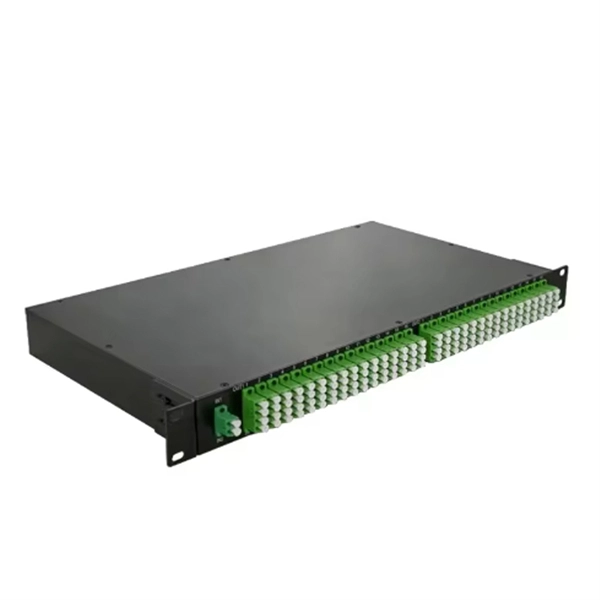
Fiber optic communication offers high-speed, high-bandwidth, reliable, and secure data transmission, making it ideal for modern and future network infrastructures.High-Speed Data Transmission
Fiber optic cables transmit data using light rather than electrical signals, enabling extremely fast data transfer rates. This allows information to travel over long distances with minimal delay, supporting high-performance applications such as streaming, cloud computing, and real-time communications like video conferencing and online gaming .
Greater Bandwidth
Fiber optics provide significantly higher bandwidth compared to copper cables, allowing large volumes of data to be transmitted simultaneously without congestion. This makes them suitable for bandwidth-intensive applications and future-proofing networks for emerging technologies like 5G and IoT .
Enhanced Reliability
Fiber optic cables are immune to electromagnetic interference and environmental stress, including temperature fluctuations, moisture, and corrosive substances. This ensures consistent network performance in both indoor and outdoor environments, reducing maintenance needs and downtime .
Low Signal Loss and Long-Distance Coverage
Optical fibers experience minimal signal attenuation, allowing data to travel over miles without significant degradation. This reduces the need for repeaters and amplifiers, making fiber ideal for long-distance communication and backbone networks .
Security
Since fiber optics transmit data as light within a sealed cable, they are difficult to tap or intercept, enhancing data security for sensitive communications and secure networks .
Lightweight and Flexible
Fiber optic cables are smaller, lighter, and easier to install than traditional copper cables. Their non-conductive nature eliminates electrical hazards, making them safe to operate near high-voltage equipment .
Future-Ready Infrastructure
Fiber optic systems are scalable and adaptable, supporting next-generation technologies and increasing network demands. They provide a long-term solution for expanding digital infrastructure, including high-speed internet, telecommunications, and data centers .
Summary
Overall, fiber optic communication combines speed, bandwidth, reliability, security, and scalability, making it the backbone of modern telecommunications and internet infrastructure. Its advantages over traditional copper systems ensure efficient, secure, and future-proof data transmission for both current and emerging applications .