Overhead line optical cables are installed using specialized wrapping, lashing, or clipping machines that attach fibre-optic cables to host conductors along power lines.Optical Attached Cable (OPAC) Installation Equipment
OPAC refers to fibre-optic cables installed on existing overhead power line conductors. The installation requires specialized machinery that moves along the host conductor, attaching the cable via wrapping, lashing, or clipping. For wrapped cable systems, such as SkyWrap or GWWOP, a spinning or wrapping machine is used to helically apply the cable around the host conductor under controlled tension and conditions (e.g., Tratos SkyWrap) .
- Hand-pulled units: For medium or low-voltage lines within 10 meters of the ground, the wrapping machine can be pulled manually from the ground .
- Motorized units: For high-voltage transmission lines, radio-controlled power units powered by batteries or petrol engines are used to safely move the machine along the conductor while maintaining proper cable tension .
Cable Attachment Methods
- Wrapped Cable Systems: The fibre-optic cable is helically wrapped around the host conductor using a spinning machine. This is the most common method worldwide .
- Clipped Cable Systems: The cable is clipped directly to the host conductor using specialized clamps.
- Lashed Cable Systems: The cable is lashed to a messenger wire or host conductor using a lashing wire and tensioning equipment.
Additional Installation Equipment
- Cable drums and tensioners: Ensure smooth feeding of the fibre-optic cable during installation.
- Anchoring hardware and accessories: Include clamps, brackets, and joint closures to secure the cable at towers or poles .
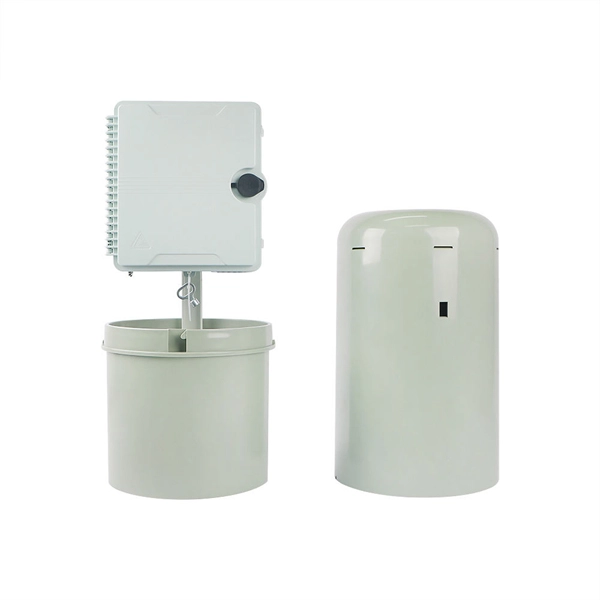
- Splice closures and joint boxes: Aluminum or composite enclosures with pre-molded gaskets protect fibre splices and allow for branching or extension .
Considerations for High-Voltage and Difficult Terrain
- Installation equipment is designed to be lightweight and easy to handle, allowing deployment in areas with limited access or challenging terrain .
- Dual-layer jackets (e.g., Birdshot design) may be used in areas prone to mechanical damage or wildlife interference .
- Some systems allow installation on live phase conductors with minimal power outages, enhancing safety and reducing downtime .
Summary
Installing overhead line optical cables requires specialized machinery tailored to the cable type and voltage level. Wrapped cable systems like SkyWrap use spinning machines, while other methods may use clipping or lashing equipment. Supporting tools include cable drums, tensioners, anchoring hardware, and splice closures. Equipment selection depends on line voltage, terrain, and environmental conditions, ensuring safe, efficient, and reliable fibre-optic deployment along power lines .