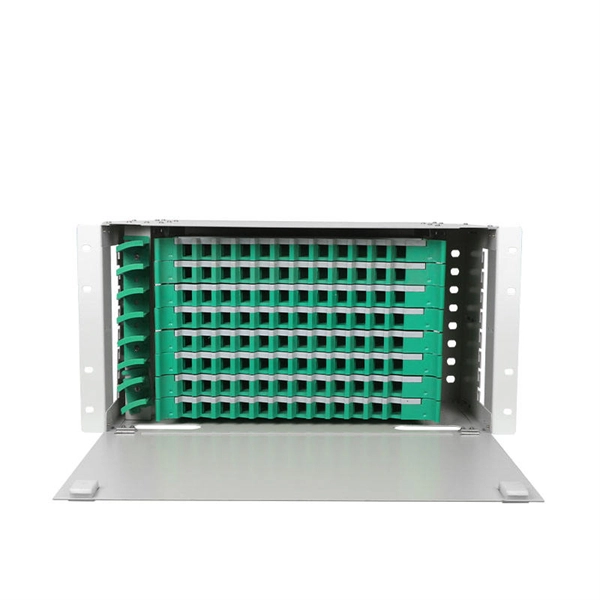
Fiber optic communication is rapidly expanding, driven by growing bandwidth demand, AI infrastructure needs, and technological innovations like ultra-low loss and bend-insensitive fibers.Growing Demand and Deployment
The surge in connected devices—from smartphones and computers to smart home gadgets—has dramatically increased bandwidth requirements, prompting providers to push fiber deeper into networks, including direct-to-home deployments offering speeds up to 50 Gbps symmetrical . In the U.S., 76.5 million homes (56.5%) are now serviceable by fiber, with projections reaching 80% by 2028 . Federal programs like the Broadband Equity, Access, and Deployment (BEAD) initiative are also driving expansion, although funding delays remain a challenge .
Technological Innovations
Recent advancements in fiber optics are enhancing speed, reliability, and efficiency:
- Ultra-low loss (ULL) fiber allows long-distance data transmission with minimal signal degradation, reducing the need for repeaters and amplifiers .
- Bend-insensitive fiber ensures reliable performance in tight urban and data center environments .
- Improved splicing and preconnectorized solutions like FlexNAP™ and Pushlok® connectors accelerate deployment and reduce installation errors .
- Quantum and photonic technologies are being integrated for secure, long-distance communication and potential quantum networking applications .
Fiber in AI and Data Centers
AI infrastructure is increasingly dependent on fiber optics. As GPU clusters scale from thousands to potentially millions of units, copper wiring becomes inefficient due to signal loss, heat generation, and energy waste. Fiber provides higher bandwidth, lower latency, and better energy efficiency, making the transition from copper to fiber inside data centers "inevitable" . Major tech companies are investing billions in fiber to support AI workloads and large-scale data processing .
Advantages Over Traditional Copper
Fiber optics offer nearly unlimited bandwidth, improved durability, and future-proofing compared to copper cables. Passive fiber networks also reduce operating costs, power consumption, and maintenance requirements . These benefits make fiber the backbone of modern telecommunications, supporting internet, telephone, television, and emerging digital applications.
Challenges
Despite its advantages, fiber deployment faces hurdles:
- Labor shortages and the need for skilled technicians .
- Civil permitting and physical installation complexities, especially in urban areas .
- Funding and policy delays, which can slow expansion into underserved regions .
Outlook
Fiber optic communication is central to the future of connectivity, enabling high-speed broadband, AI-driven data centers, smart cities, and secure quantum networks. With ongoing innovations and strategic investments, fiber is set to meet the growing global demand for reliable, high-capacity digital infrastructure .