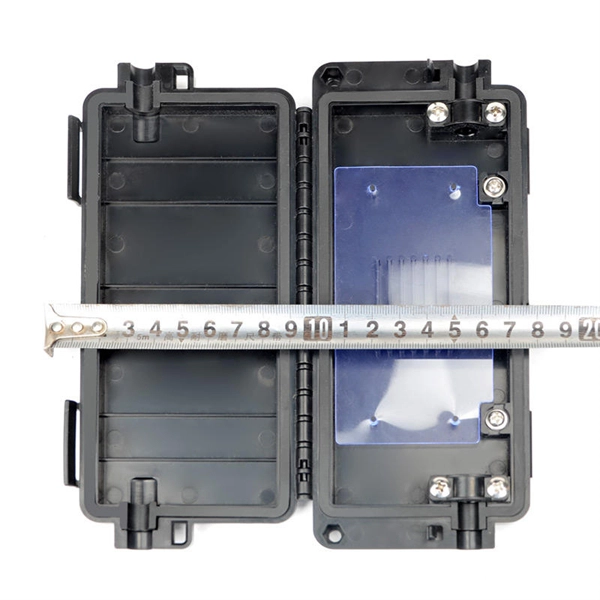
Cable trays are engineered support systems that organize, protect, and route electrical and communication cables in power distribution rooms, ensuring safety, accessibility, and efficient heat dissipation.Purpose and Benefits
Cable trays provide a structured platform for power, control, and communication cables, offering several advantages over traditional conduits. They allow for easy installation, maintenance, and future expansion, improve heat dissipation, and reduce the risk of cable damage or interference. Open designs, such as ladder or wire mesh trays, enhance airflow and simplify inspection, while solid-bottom trays offer additional protection against dust or electromagnetic interference .
Common Types of Cable Trays
- Ladder Cable Tray: Features two side rails connected by rungs, ideal for heavy power cables and long runs due to excellent ventilation and load support .
- Perforated Cable Tray: Solid base with holes for ventilation, suitable for medium-weight cables and environments requiring moderate protection .
- Solid-Bottom Cable Tray: Fully enclosed base, providing maximum protection against dust, moisture, or electromagnetic interference .
- Wire Mesh (Basket) Tray: Lightweight, flexible, and easy to install; ideal for routing multiple small cables and accommodating frequent changes .
- Channel Tray: Compact, used for short runs or aesthetic applications, available in ventilated or solid designs .
Material Considerations
Cable trays are manufactured from steel, stainless steel, aluminum, or non-metallic materials. Material selection depends on environmental conditions, corrosion resistance, mechanical strength, and fire safety requirements. For example, stainless steel (AISI 316L) offers high corrosion resistance, while aluminum provides a lightweight alternative with good durability .
Installation Guidelines
- Mounting: Trays can be wall-mounted, ceiling-suspended, or underfloor, depending on room layout and cable routing needs .
- Support Spacing: Proper support intervals prevent sagging and maintain structural integrity.
- Bends and Transitions: Use pre-fabricated elbows, tees, and junctions to maintain cable bend radius and avoid stress on cables.
- Compliance: Ensure adherence to local electrical codes, UL/NEMA standards, and CE marking requirements for safety and certification .
Practical Considerations
- Load Capacity: Select trays based on cable weight and anticipated future expansion.
- Heat Management: Open designs improve airflow, reducing overheating risks.
- Maintenance Access: Trays should allow easy access for inspection, repair, or cable replacement.
- Integration: Compatible with other cable management systems, including conduits, racks, and junction boxes . Cable trays are essential in power distribution rooms for efficient, safe, and scalable cable management, supporting both current and future electrical infrastructure needs. Proper selection, material choice, and installation ensure long-term reliability and compliance with safety standards.