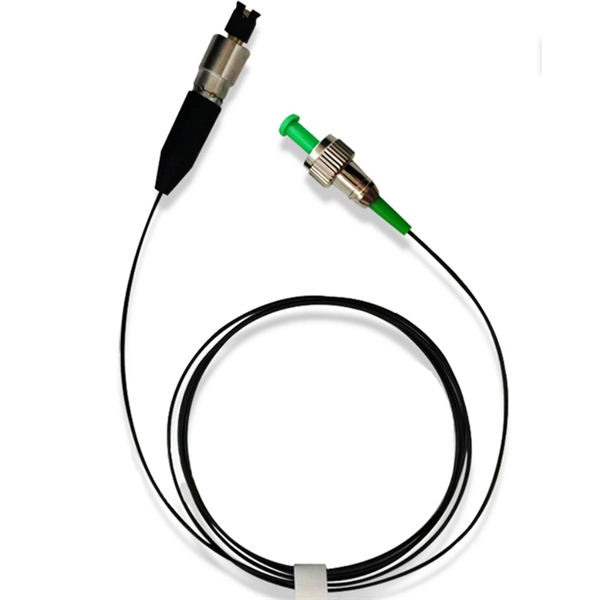
Optical module ICs are specialized integrated circuits that enable high-speed electrical-to-optical signal conversion and control in fiber-optic communication modules.Overview of Optical Modules
An optical module is a hot-pluggable transceiver used in high-bandwidth data communications, connecting electrical interfaces inside a system to optical fiber outside the system. Common form factors include SFP, SFP+, XFP, CFP, and X2/XENPAK, with electrical interfaces standardized by multi-source agreements (MSAs) and organizations like the IEEE and Optical Internetworking Forum (OIF) to ensure interoperability . Modern optical modules are designed for high data rates, ranging from 10 Gbps to 1.6 Tbps, and are used in data centers, 5G networks, and high-performance computing .
Key ICs in Optical Modules
Optical modules are multi-chip systems combining high-speed electrical ICs, optoelectronic devices, and control chips. The main IC categories include :
- DSP Chip (Digital Signal Processor)
- Acts as the “brain” of the module, performing signal processing, error correction, and overall control.
- Critical for high-speed modulation and maintaining signal integrity.
- Driver IC (Laser Driver Chip)
- Controls the intensity and modulation of the laser transmitter.
- Impacts signal quality and high-speed performance.
- TIA Chip (Transimpedance Amplifier)
- Amplifies the received optical signal from the photodetector.
- Directly affects bit error rate (BER) and receiver sensitivity.
- PD/APD Chips (Photodetectors / Avalanche Photodiodes)
- Convert incoming optical signals into electrical signals.
- Essential for accurate signal reception.
- Laser Source Components
- Generate optical signals; while technically not ICs, they are integral to module function.
- Control & Memory Chips (MCU / EEPROM)
- Manage module configuration, monitoring, and calibration.
- Silicon Photonics (SiPh)
- Emerging technology integrating optical components on silicon for next-generation high-speed modules.
Integration and Design Considerations
Modern optical modules often integrate transceivers, transimpedance amplifiers, post amplifiers, and laser drivers into compact, low-power ICs to reduce module size and power consumption while maintaining high performance . Photonic integrated circuits (PICs) are also used to combine multiple optical functions on a single chip, enabling tunable lasers, modulators, and receivers in a compact form . Reference designs from manufacturers like Texas Instruments provide guidance for implementing these ICs in modules supporting 100 Gbps, 400 Gbps, and beyond .
Summary
In essence, optical module ICs form a cooperative system where DSPs, driver ICs, TIAs, photodetectors, and control chips work together to convert electrical signals to optical signals and vice versa. Advances in silicon photonics and photonic integrated circuits are driving higher integration, lower power consumption, and smaller form factors, enabling the next generation of high-speed optical communication modules .