ZITHA SPECIALTYSPECIALTY FIBER CABLES Technical Inquiry

Will pigtail fibers freeze and break in winter Why

Fiber optic pigtails themselves do not freeze, but extreme cold can damage their protective layers or connectors, potentially causing breakage or signal loss.Why Pigtails Are Resistant to Freezing

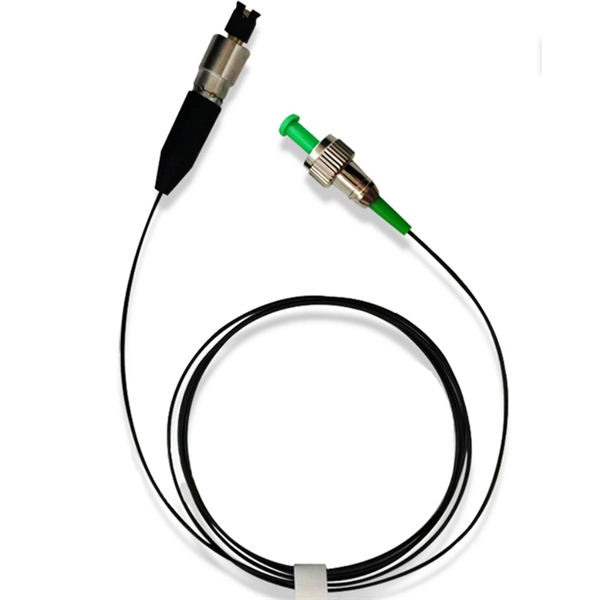
Fiber optic pigtails consist of a glass or plastic core that transmits light, surrounded by cladding and a protective buffer coating . The core material does not freeze like water or metal, so the actual data-carrying fiber remains unaffected by low temperatures . This makes pigtails inherently resistant to freezing in winter.

Potential Winter-Related Risks

While the fiber itself is safe, environmental factors can cause problems:

  • Brittle Jackets: The outer protective layer of a pigtail can become brittle in extreme cold, especially if the cable is low-quality or improperly installed. This brittleness can lead to cracking or microbending, which may degrade signal quality .
  • Water Ingress and Ice Formation: If water enters the fiber conduit or connectors, it can freeze and expand, exerting pressure on the fiber. This can deform or bend the fiber, potentially causing signal loss or breakage .
  • Connector Vulnerability: Standard connectors may not be fully sealed against moisture. Ruggedized connectors designed for harsh environments (e.g., IP66/IP68 rated) are recommended to prevent ice-related damage .
Best Practices to Prevent Damage
  • Install Pigtails in Protected Enclosures: Since pigtails are typically used inside ODFs, terminal boxes, or splice closures, they are shielded from direct exposure to freezing conditions .
  • Use Outdoor-Rated or Weather-Resistant Cables: For any pigtail exposed to the elements, ensure the jacket and connectors are rated for low temperatures and moisture resistance .
  • Avoid Water Accumulation: Proper sealing of conduits and connectors prevents water ingress, reducing the risk of ice formation and fiber deformation .
Conclusion

Fiber optic pigtails do not freeze in the traditional sense, and the glass or plastic core remains stable in cold weather. However, extreme winter conditions can affect the protective jacket or connectors, leading to potential breakage or signal degradation if not properly installed or protected. Using high-quality, weather-resistant pigtails and ensuring proper enclosure and sealing are key to maintaining reliable performance in winter .

Will pigtail fibers freeze and break in winter Why

How Winter Weather Impacts Fiber Optic Cables | Network Drops

The Science Behind Winter Weather and Fiber Optic CablesExtreme WeatherSo When Do Cables Become Affected?How Can You Protect Your Cables from freezing?Trust Network Drops For Your Structured Cabling NeedsIf it''s not the snow causing problems with your internet connection and network stability, what about the winter weather that can affect your system? It comes down to whether or not water gets into the cables. Worn-out or faulty fiber optic cables can be susceptible to water infiltration from melting snow, and that''s where potential problems can ar...See more on networkdrops Author: Scott Fcasniinfraspect

Can pigtail fibers withstand low temperatures Why

Fiber Optic Networks: Understanding Fiber Optic Pigtails Durability: Fiber optic pigtails are designed to withstand harsh

Technical note

This reference is intended for preliminary specialty-cable research. Compatibility, link budgets, fire performance, installation methods, test limits and applicable standards must be verified for the specific project.

Still Have a Technical Question?

Use the inquiry form to describe a specialty cable route, fire requirement or testing question.

Start an Inquiry