ZITHA SPECIALTYSPECIALTY FIBER CABLES Technical Inquiry

The most commonly used pigtail fiber is currently

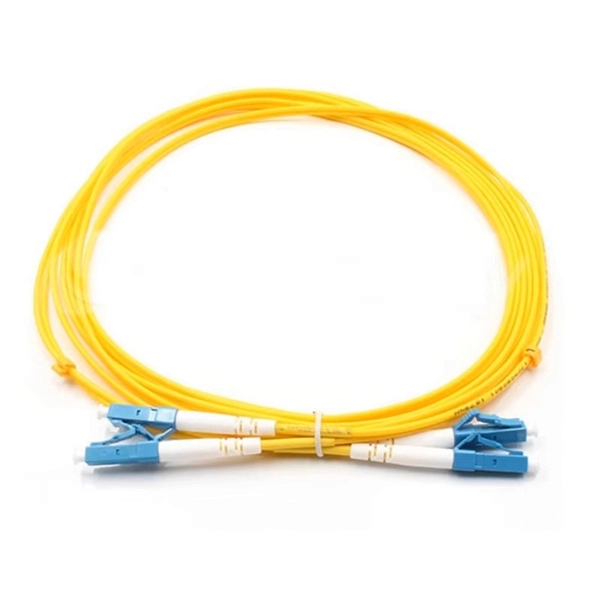
The most commonly used fiber optic pigtail is a single-mode OS2 fiber with an LC/UPC connector for data centers and SC/APC for FTTH applications.Fiber Type

Single-mode OS2 pigtails dominate modern deployments, used in approximately 99% of single-mode applications worldwide, including FTTH, PON, carrier networks, and long-distance links . They feature a 9/125 µm core and are typically yellow in color. For multimode applications, OM3 and OM4 pigtails are common in data centers and enterprise LANs, with aqua or violet jackets, supporting 10G to 100G short-reach links .

Connector Type
  • LC/UPC: Preferred in high-density data centers due to its compact 1.25 mm ferrule and duplex-friendly design, offering high port density and low insertion loss .
  • SC/APC: Standard for FTTH and PON networks, featuring a 2.5 mm ferrule with an 8° angled polish to minimize back reflection, essential for optical splitters and CATV applications .
  • Other connectors: FC, ST, E2000, and MT-RJ are used in specialized or legacy systems, but LC and SC dominate over 80% of modern projects .
Polish Type
  • UPC (Ultra Physical Contact): Flat polish, common in data centers and enterprise networks, providing low insertion loss (~0.2–0.3 dB) and moderate return loss (~50 dB), .
  • APC (Angled Physical Contact): 8° angled polish, used in FTTH, CATV, and WDM systems to reduce back reflection (~60 dB or better), .
Fiber Count and Construction
  • Single-fiber (simplex) pigtails are the most common for standard terminations in ODFs, splice trays, and patch panels .
  • Duplex or multi-fiber pigtails (2, 4, 12, 24 fibers) are used in high-density or ribbon applications, especially in data centers .
  • Buffer diameter: 0.9 mm tight-buffered pigtails are standard for indoor splice trays, while 2.0–3.0 mm pigtails provide additional protection for patch panels or outdoor enclosures .
Application Environment
  • Indoor pigtails: Most common, lightweight, flexible, used in ODFs, terminal boxes, and splice closures .
  • Armored and waterproof pigtails: Used in industrial, outdoor, or harsh environments to protect against mechanical stress, moisture, and rodents .
Summary

For data centers and enterprise networks, the LC/UPC single-mode OS2 pigtail is the standard due to its compact size, high density, and reliable performance. For FTTH and PON deployments, the SC/APC single-mode OS2 pigtail is preferred to minimize back reflection and ensure high-quality optical signal transmission. Multimode pigtails (OM3/OM4) are used for shorter in-building links and high-speed LANs. Always match fiber type, connector, and polish to the network requirements to ensure optimal performance .

The most commonly used pigtail fiber is currently

What is Fiber Pigtail? A Complete Guide for Beginners

Fiber Pigtail vs. Fiber Patch Cord: What Is The difference?Fiber Pigtail TypesFiber Pigtail SplicingFinal WordsSome guys may need clarification about fiber optic pigtails and patch cords. What is the similarity, and what is the difference? First, the most critical difference is the fiber connector ber optic pigtails have only one terminated connector on one side but bare fibers on another side. In contrast, the patch cords have two or more pre-terminatedSee more on optcore

Videos of the Most Commonly Used Pigtail Fiber Is Currently

more videos

Watch video0:57TYPES OF FIBER OPTIC PIGTAILS Unisol Communications1.5K viewsJan 28, 2025Watch video3:06Types of Fiber Optic Pigtails Unisol Communications1.8K viewsApr 9, 2025Watch video1:56Fiber Optic Cables vs Fiber Pigtails, What''s the Difference? QSFPTEK23.4K viewsNov 18, 2024Watch full videoSee morecharratcommunication

Where is pigtail fiber most commonly used

Overview Fiber pigtails are commonly used in fiber enclosures like patch panels, termination boxes, and adapters.

Related Video Reference

This video was associated with the source search result. Verify technical details against current product documentation and project requirements.

Technical note

This reference is intended for preliminary specialty-cable research. Compatibility, link budgets, fire performance, installation methods, test limits and applicable standards must be verified for the specific project.

Still Have a Technical Question?

Use the inquiry form to describe a specialty cable route, fire requirement or testing question.

Start an Inquiry