Optical cables can be connected using permanent fusion splicing, emergency mechanical splicing, or active connector-based methods, each offering different levels of reliability, signal loss, and flexibility.1. Permanent Fiber Connection (Fusion Splicing)
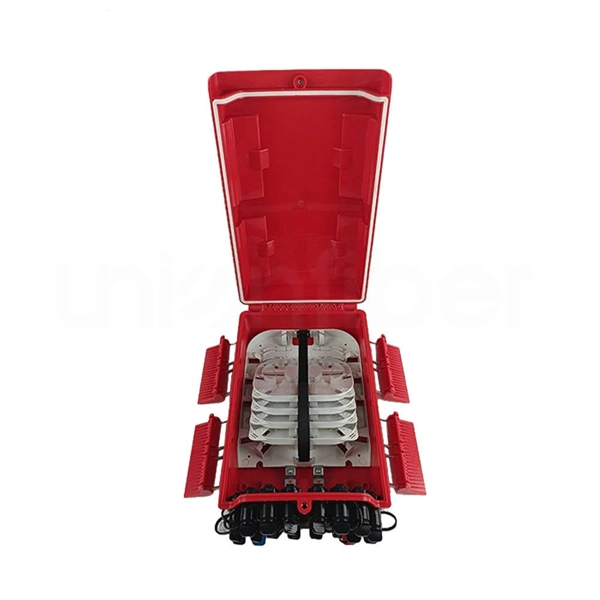
Permanent fiber connections, also called fusion splicing, involve melting and fusing the ends of two optical fibers using an electric arc. This method is ideal for long-distance or semi-permanent installations because it provides the lowest signal loss, typically around 0.01–0.03 dB per connection point, and produces a joint nearly as strong as a single fiber. Fusion splicing requires specialized equipment (fusion splicers) and professional operation, and the splice points must be protected in special containers to ensure durability and performance .
2. Emergency Connection (Mechanical or Cold Splicing)
Emergency connections, also known as cold splicing, use mechanical and chemical methods to align and bond fiber ends. This method is quick and reliable for short-term use, with typical attenuation of 0.1–0.3 dB per point. Mechanical splicing involves placing the fiber ends in a sleeve and clamping them, often using index-matching gel to reduce light loss. While convenient for temporary repairs, these connections can become unstable over time and are not recommended for permanent installations .
3. Active Connections (Connector-Based)
Active connections use fiber optic connectors (plugs and sockets) to connect fibers to each other or to network devices. This method is flexible, simple, and convenient, commonly used in building networks or environments requiring frequent reconfiguration. Typical attenuation is around 1 dB per connector. Connectors come in various types, such as LC, SC, and multi-fiber composite ferrules, and may use physical contact (PC) or angled physical contact (APC) polishing to minimize reflectance and signal loss. Active connections are ideal for data centers and modular network setups .
4. Non-Splicing Physical Connections
Some advanced methods use special V-groove designs and matching liquids to achieve nearly 100% fusion success without traditional splicing. These are suitable for FTTR (Fiber to the Room) solutions and provide a permanent physical connection with minimal signal loss, combining the convenience of connectors with the performance of splicing .
Key Considerations
- Signal Loss: Fusion splicing offers the lowest loss, followed by mechanical splicing, with connectors having higher attenuation.
- Durability: Permanent splices are highly durable, while mechanical splices are temporary. Connectors are reusable but may degrade over time.
- Installation: Fusion splicing requires professional skills and equipment; connectors are easier to install in the field.
- Application: Choose the method based on distance, permanence, network flexibility, and environmental conditions. Understanding these methods allows network designers and technicians to select the optimal connection technique for performance, reliability, and maintenance requirements in fiber optic systems .